Frankie Braun · 25 September 2026
Strategic Approaches to Resource Allocation in Independent Digital Ventures
Independent digital ventures operate with limited resources that demand careful distribution across time, capital, technology, and personnel, and researchers have documented how these operations balance multiple constraints while pursuing growth in competitive online markets. Data from the U.S. Small Business Administration shows that solo operators and small teams frequently allocate budgets toward content creation, platform maintenance, and customer acquisition, yet successful cases demonstrate structured methods that prevent overspending in any single area. As of September 2026, independent ventures continue to navigate rising costs for digital advertising and software subscriptions, which has prompted many to adopt systematic evaluation processes before committing funds or hours to new projects.
Core Resource Categories in Digital Operations
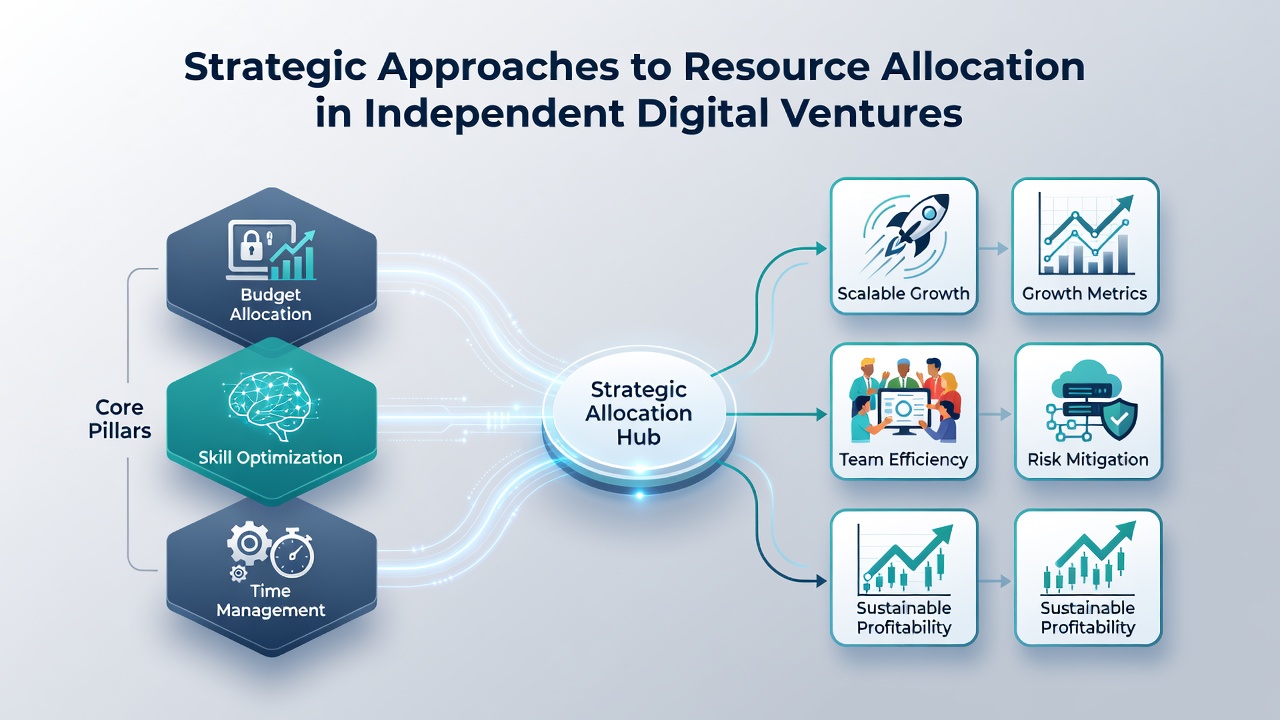
Financial capital forms one foundation, while time represents another critical asset because independent founders often handle multiple roles simultaneously, and observers note that technology tools such as analytics platforms and automation software serve as force multipliers when deployed strategically. Human capital includes both the founder’s expertise and any outsourced specialists, whereas data resources like audience insights and performance metrics guide decisions on where to direct efforts next. Studies from the OECD indicate that ventures which categorize resources this way achieve clearer visibility into trade-offs, for example choosing between paid tools and manual processes when budgets tighten.
Budgeting Frameworks Used by Independent Operators
Many ventures apply percentage-based allocation models that assign fixed portions of revenue to categories like marketing, infrastructure, and skill development, and this approach allows adjustments as income fluctuates month to month. Evidence from academic papers published by researchers at the University of Melbourne reveals that operators who review these allocations quarterly maintain better cash flow stability compared with those who make ad-hoc spending choices. Ventures often track expenses through integrated accounting software that connects directly to bank accounts, which reduces errors and provides real-time visibility into spending patterns across different digital channels.
Time Management and Task Prioritization Methods
Time allocation frequently relies on frameworks that rank tasks by impact and urgency, with operators using calendars and project management platforms to block dedicated periods for high-value activities such as content production or technical updates. Those who’ve studied independent digital operations find that batching similar tasks, like writing multiple articles in one session or handling customer support in scheduled blocks, reduces context switching costs and preserves energy for strategic thinking. Performance data collected over successive months helps refine these schedules, because patterns emerge showing which activities generate the strongest returns on invested hours.
Technology and Infrastructure Decisions
Independent ventures evaluate software subscriptions and hosting services by calculating return on investment through metrics such as user engagement rates and conversion improvements, and many begin with free or low-cost tiers before scaling to paid plans once revenue justifies the expense. Reports compiled by Statistics Canada highlight how operators in digital sectors increasingly favor open-source alternatives for core functions like website management and email marketing when proprietary options exceed budget thresholds. Regular audits of tool usage prevent accumulation of unused subscriptions, and this practice frees capital that can be redirected toward areas showing stronger growth potential.
Monitoring Performance and Making Adjustments
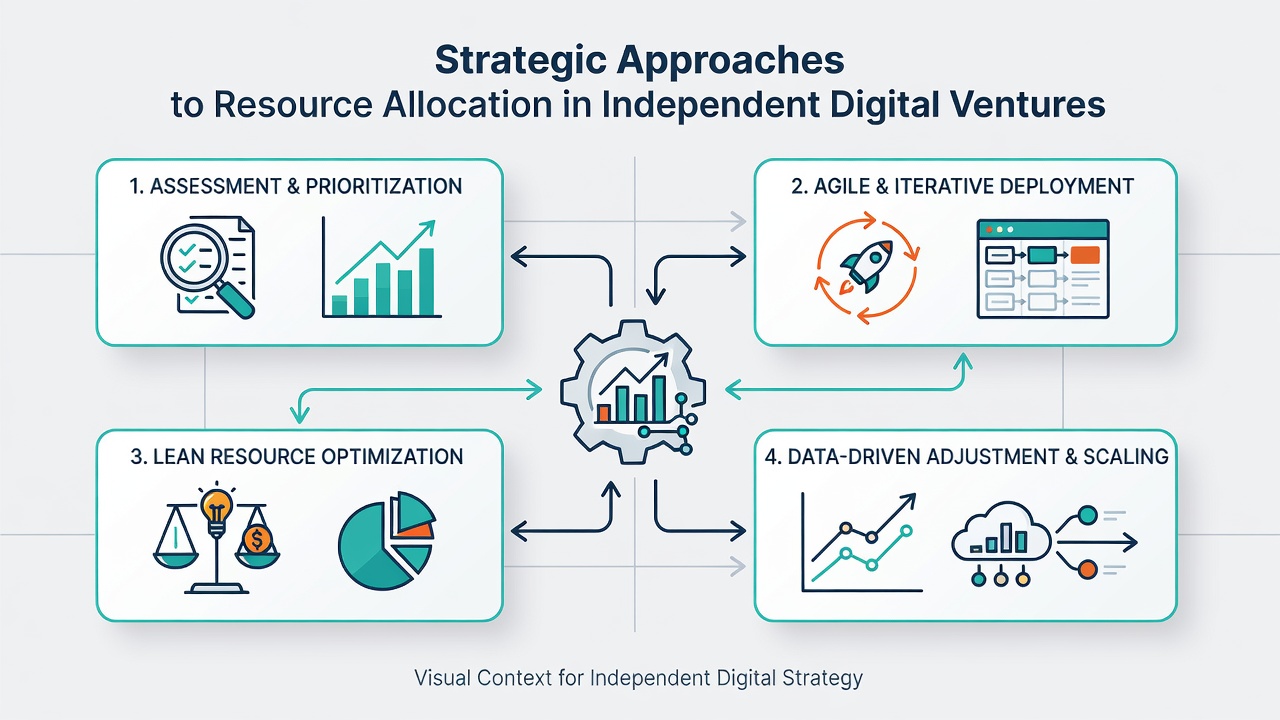
Key performance indicators tied directly to resource inputs allow operators to identify underperforming allocations quickly, and monthly reviews of traffic sources, conversion rates, and cost per acquisition provide the data needed for reallocation decisions. Ventures that maintain detailed logs of resource deployment over time develop more accurate forecasting models, which become especially valuable when external factors like algorithm changes or economic shifts affect traffic and revenue. External benchmarks from industry reports help contextualize internal results, although operators adapt these standards to fit their specific niche and scale rather than applying them uniformly.
Conclusion
Strategic resource allocation in independent digital ventures centers on systematic categorization, consistent monitoring, and flexible reallocation based on performance evidence, and these practices enable sustained operations amid variable market conditions. Operators who integrate budgeting, time management, and technology evaluation into regular routines position their ventures for incremental progress while minimizing waste across financial and operational domains.